
 Support
  Request Testing
 Bacteria in Purified Water
Bacteria able to form Colony Forming Units
These living microorganisms are capable of growing in ultra-pure water. Bacteria are a common cause of problems associated with high purity water systems. Regular testing enables the detection of rising levels before they are able to cause product loss. The most influential criteria for the presence of bacteria, in a water system, are low flow rates.

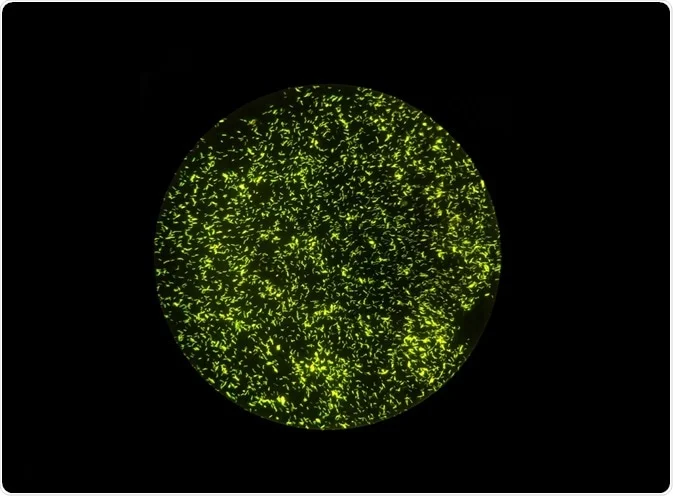
Epifluorescent (TOTAL) Bacteria Cell Counts
This method yields results in terms of total (living and dead) bacterial cells present in 100ml of sample. Epifluorescent bacteria counts are most often used in conjunction with viable counts. Rising total cell counts are a good indication of slime becoming dislodged, or other issues that put an increased load on the water purification system.
LAL (Limulus Amoebocyte Lysate) or Pyrogen Test for Endotoxin levels
This “endotoxin” assay quantifies the gelatinous, polysaccharide matrix that surrounds gram negative bacteria (most bacteria in the ultrapure water system). Since there is no average amount of polysaccharide associated with a cell, the test results are given as nanograms per milliliter of water.
| Contaminant | Problem | Cause | Possible Cure |
|---|---|---|---|
| Bacteria | High port counts | Dead Leg Bad port |
Shorten leg, Increase flush time until ok Replace port |
| High at pt.of use | low flow dead legs |
Bigger pump Reduce back pressure |
|
| High tank counts | tank too large | Smaller tank Higher flow rates Nitrogen blanket Ozone layer |